Storm Damage in Village of West Clay, IN
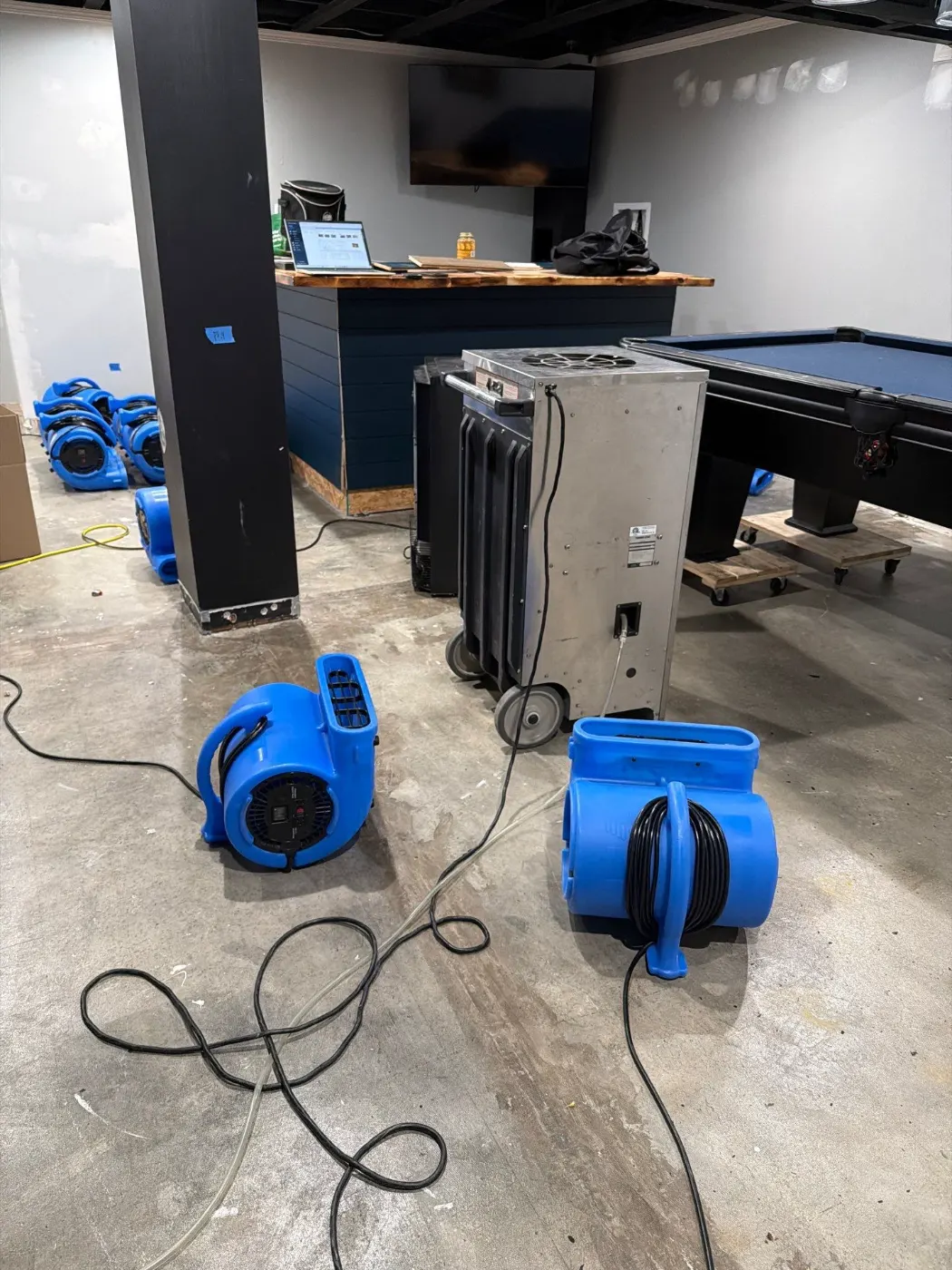
Village of West Clay basements flooded after a power failure get pumped down and dried, with every room documented.
When Village of West Clay homeowners need Storm Damage, Village of West Clay Water Restoration responds 24/7 with certified technicians, fast equipment deployment, and claim ready documentation. Call (765) 676-3491 for immediate dispatch.
- Service: Storm Damage for Village of West Clay homeowners
- Service area: Village of West Clay, IN and surrounding areas
- Response time: Emergency calls from Village of West Clay dispatched immediately, day or night
- Licensed and insured (License #RC21100059)
- Serving Village of West Clay, IN since 2018
Expert Storm Damage for Village of West Clay Homeowners
A wet ceiling cavity that nobody dries becomes a ceiling that's got to come down, and the gap between those two jobs is usually a few days. Water sits on top of the drywall, the paper facing lets go, and the fasteners start pulling through. Village of West Clay Water Restoration dispatches a crew to storm water calls in Village of West Clay, IN within 2 hours, measures what the assembly is holding, and dries what can still be saved before the material fails.
Storm water usually comes in overhead, so the attic and the ceiling get the closest look. Village of West Clay Water Restoration technicians read the insulation, the underside of the roof deck and the top plates where water sits, then trace it down to the rooms below. Every wet spot in your Village of West Clay home gets marked, photographed and logged before anything comes out.
Wet insulation comes out. Fiberglass that's been soaked loses its R value and holds water against the ceiling board, and blown in cellulose mats down and stays that way, so Village of West Clay Water Restoration removes it, bags it, and documents the square footage and the depth for the rebuild. New insulation goes back in after the framing and the sheathing read dry, and the depth gets recorded again on the way out.
Your deductible is printed on your policy's declarations page, and knowing the number helps you decide whether a claim makes sense. Village of West Clay Water Restoration builds the scope from measurements, so the size of the loss in your Village of West Clay home is on paper before you choose. The decision to file, and what gets paid, rest with you and your insurance company.
Unsure how serious the damage is? Describe what you're seeing to a technician at Village of West Clay Water Restoration, and you'll hear what the readings are likely to show and what to do in the meantime. Soft drywall and damp carpet in Village of West Clay homes usually have a cause worth finding early.
Signs You Need Storm Damage Restoration
If you notice any of these in your Village of West Clay home, schedule a free inspection before the issue worsens.
A soft or discolored patch of drywall around a skylight, a chimney chase, or a bath vent
Carpet near an exterior door that squishes underfoot after wind driven rain
Dark streaks running down an interior wall from the ceiling line toward the baseboard
Thick ice built up in the gutter with icicles hanging along the edge of the eave
Flooring cupping, lifting, or separating at the seams along an exterior wall
A pin moisture meter reading far above the same wall in a dry room
Standing water around the sump pit after the power came back on
Water staining on the wall below a window after rain came in sideways
Window sill corners holding water or finish peeling after a windy storm
Paint or texture blistering along the top of an exterior wall after a windy storm
How Village of West Clay Water Restoration Handles Storm Damage
We follow these steps in order on every Village of West Clay job.
Storm Call Intake
The first call covers where you see water, whether the power is on, how long it's been coming in and what's already been moved. Those answers decide what gear goes out and what to do before the crew gets there.
Moisture Mapping
Thermal imaging and penetrating meters cover every room under and beside the intrusion, plus baseline readings in unaffected areas of the same house. The map shows how far water tracked through framing and insulation, and it's what decides which surfaces get opened.
Sump and Drain Check
The crew looks at the sump basin and the floor drains to see whether water is still entering or backing up. Anything that needs a plumber or an electrician gets noted, so the basement isn't refilling while the drying runs.
Water Extraction
Standing water gets pumped and extracted before there's any drying equipment in the room. Hard floors are squeegeed and extracted, saturated carpet pad is pulled, and carpet gets detached to reach the subfloor. Water that came in at grade also gets an antimicrobial treatment once the soaked material is out.
Daily Monitoring
A technician returns every 24 hours while equipment runs, logs moisture content at the same marked locations, and repositions equipment wherever a zone's lagging. Rain during the drying phase triggers a recheck of the stabilized opening and of the materials sitting under it.
Storm Damage in Village of West Clay
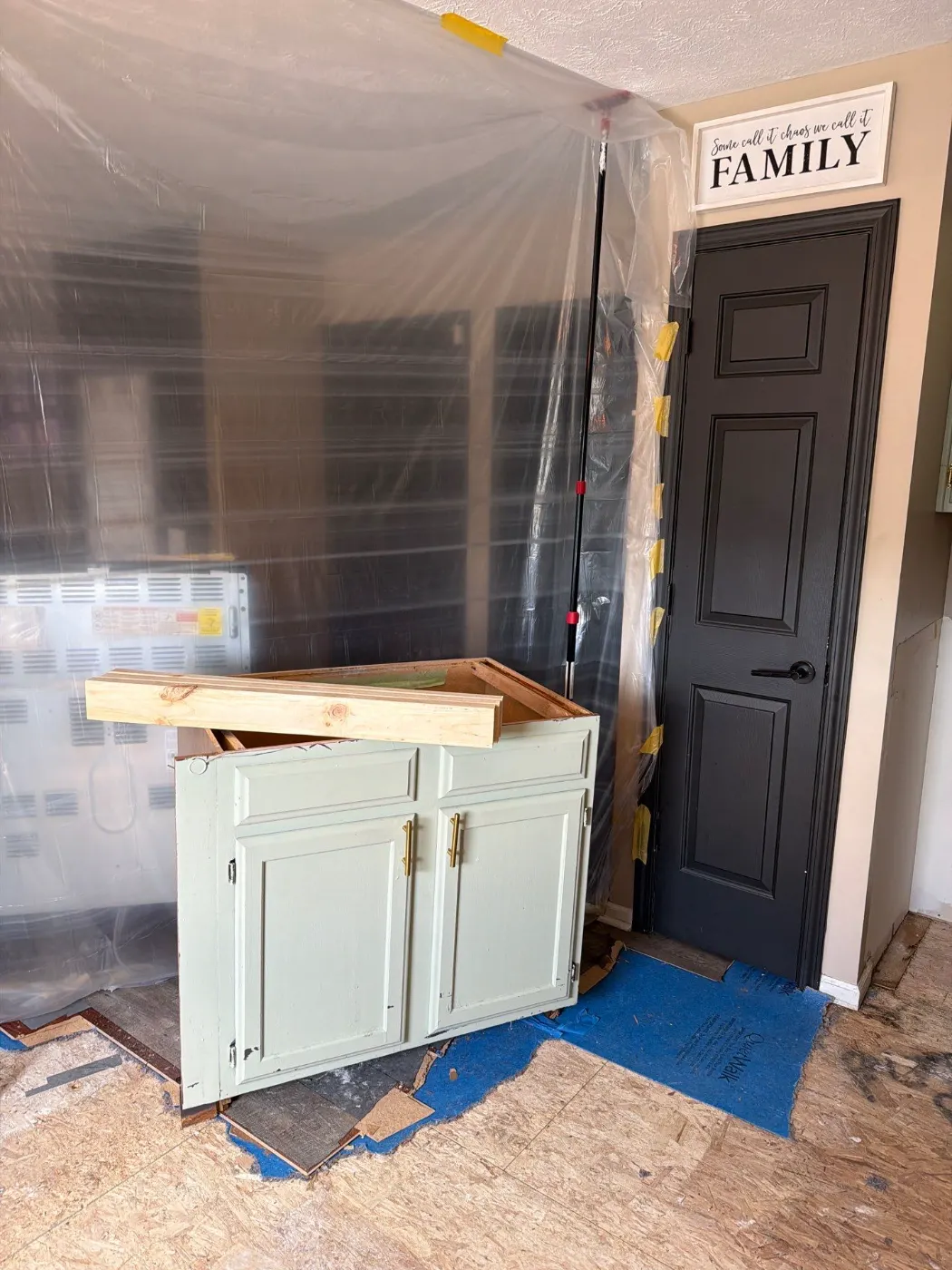
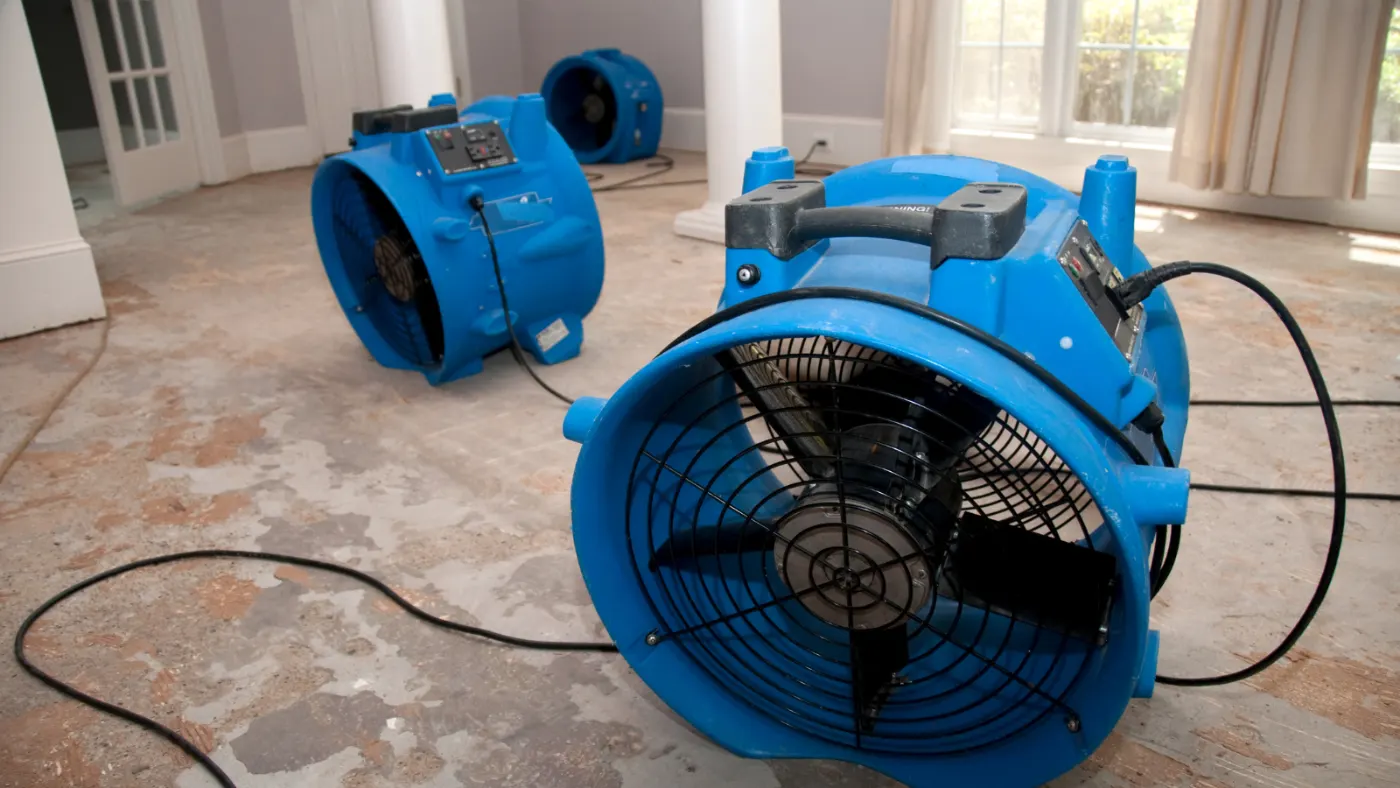
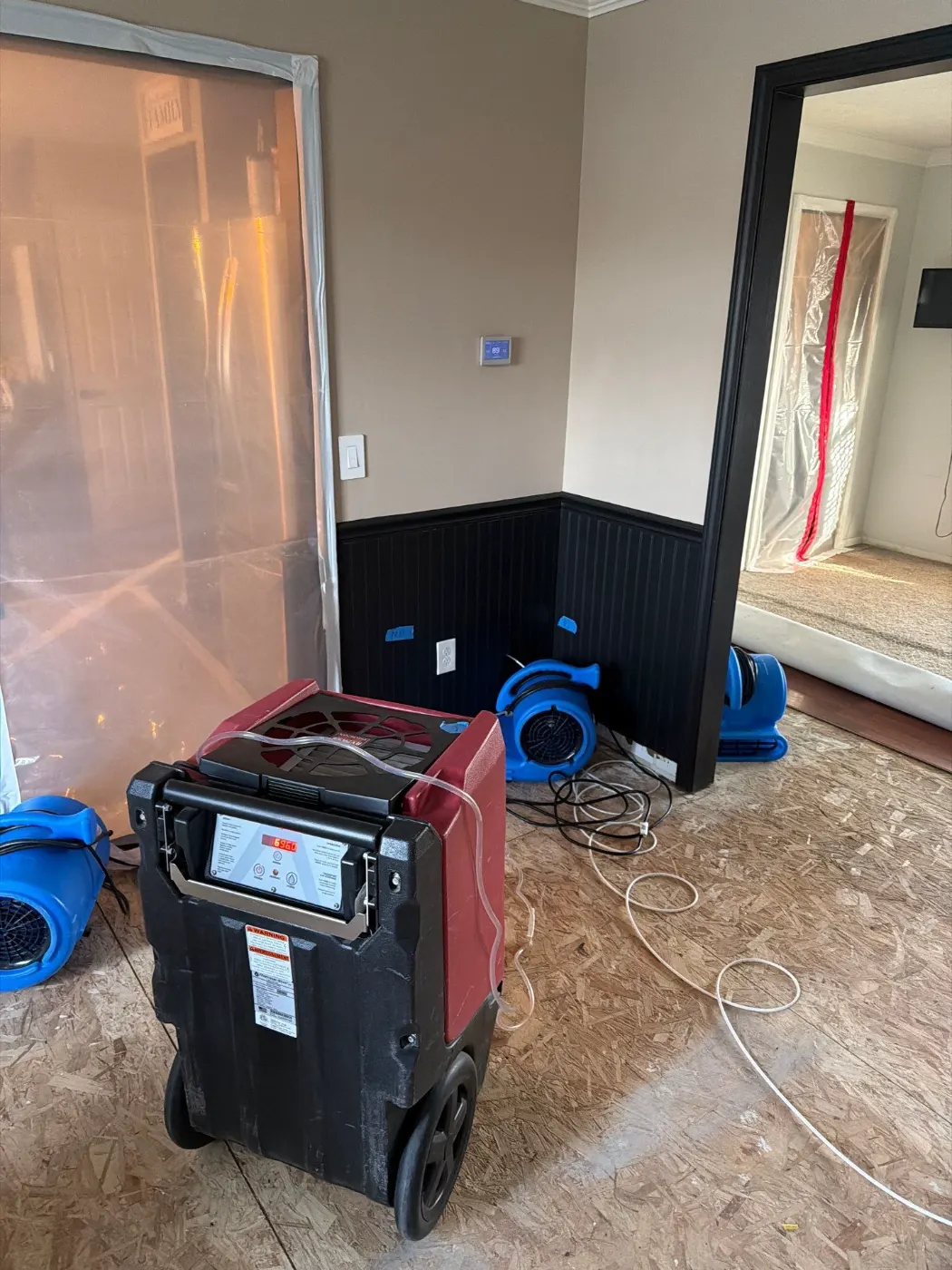
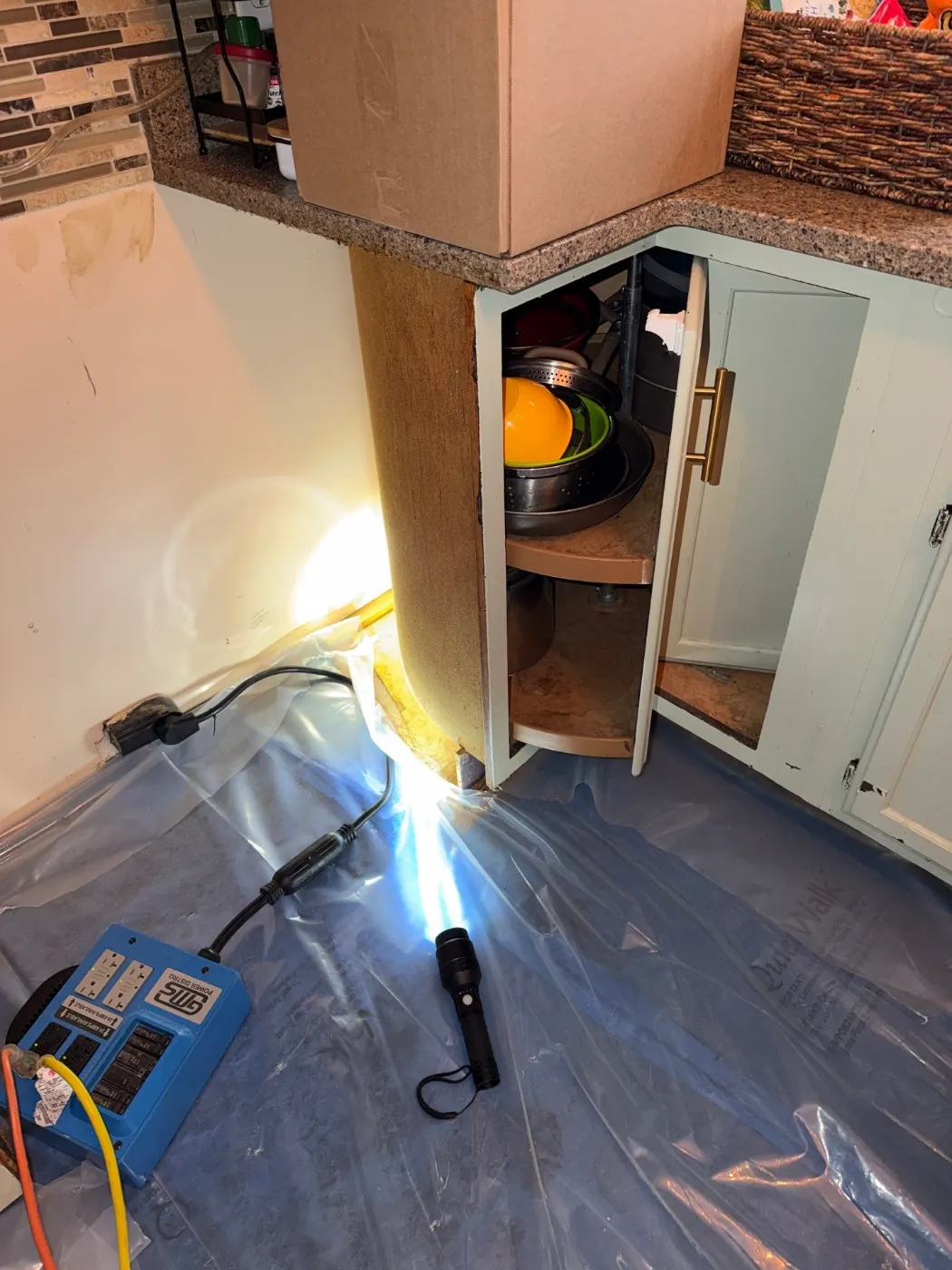
Photographs from real storm damage jobs completed by our crew in Village of West Clay and surrounding areas.
Storm Damage FAQ
Questions Village of West Clay homeowners ask us about storm damage restoration.
Guidance and Standards for Storm Damage
- The National Weather Service office in Indianapolis posts summaries of recent central Indiana storm and flood events. NWS Indianapolis Event Summaries
- The Indiana Department of Insurance advises against permanent repairs before your insurance company inspects the damage. Check your own policy for what it covers. Indiana Department of Insurance: Insurance Claim Tips
Village of West Clay Neighborhoods We Serve
We take storm damage calls in every part of Village of West Clay. Pick your neighborhood for local details.
Other Restoration Services in Village of West Clay
Village of West Clay Water Restoration handles the full scope of restoration work. Explore our other services below.
Water Damage Restoration in Village of West Clay
24/7 emergency response. IICRC certified water restoration from extraction to full dry out.
Learn more →Basement Flooding in Village of West Clay
Basement water emergencies handled fast. Extraction, drying, mold prevention.
Learn more →Sewage Cleanup in Village of West Clay
Category 3 biohazard cleanup. Full containment, decontamination, structural restoration.
Learn more →Request Storm Damage Restoration
Reach Us Directly
Our team is available 24/7 for emergencies and ready to schedule inspections during business hours.
Need Immediate Help?
For active water or mold emergencies, call us directly. We are available 24/7.