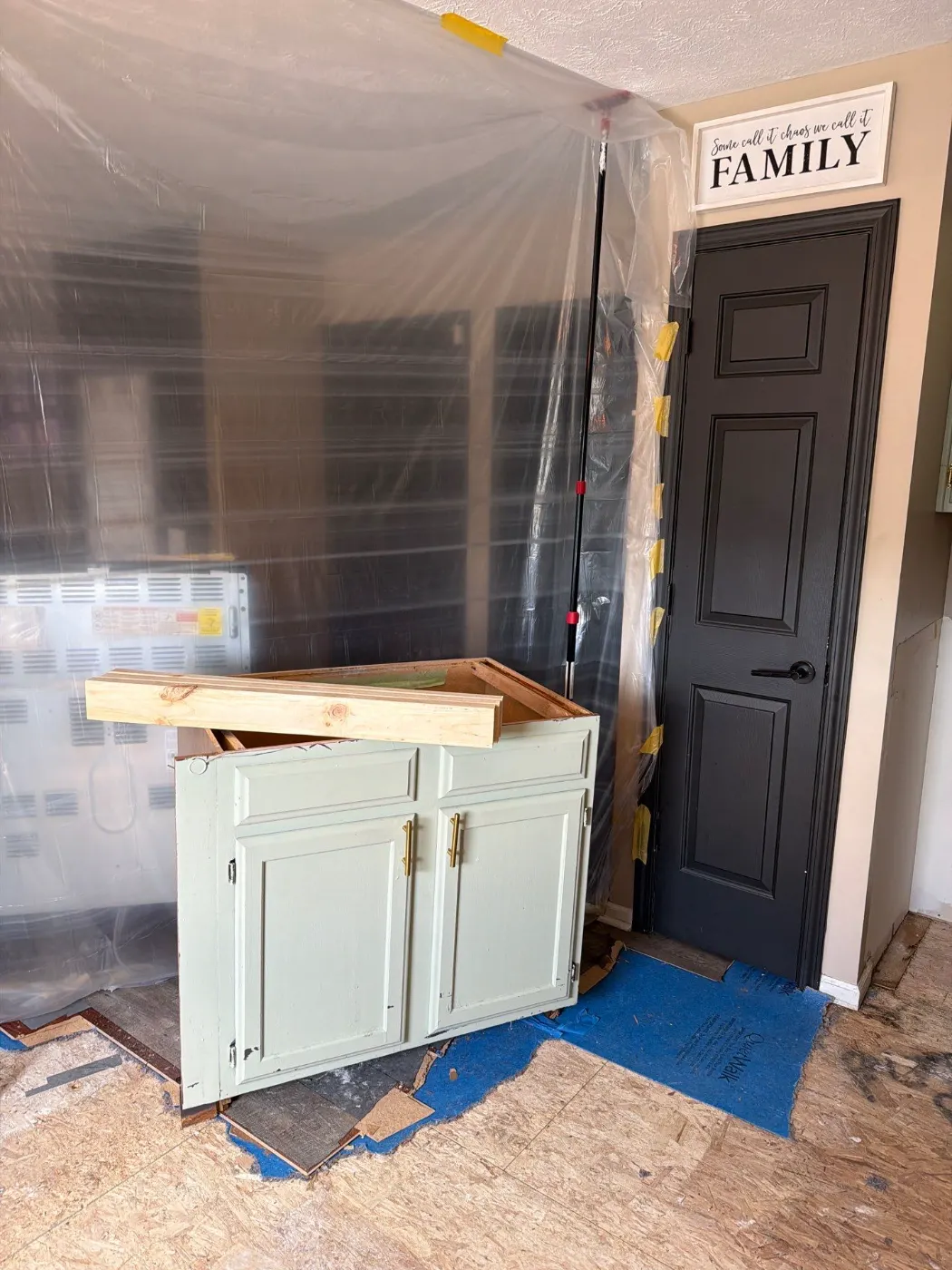
Commercial Storm Damage in Village of West Clay, IN
Occupied buildings dried without closing the floor. Village of West Clay Water Restoration answers commercial storm intrusion in Village of West Clay day or night.
Village of West Clay Water Restoration provides Commercial Storm Damage in Village of West Clay, IN. 24/7 emergency response with IICRC certified crews, and we work with your insurance carrier on approved claims. Call (765) 676-3491 for immediate dispatch.
- Service: Commercial Storm Damage for Village of West Clay homeowners
- Service area: Village of West Clay, IN and surrounding areas
- Response time: Fast local response for Village of West Clay; live dispatch every hour of the year
- Licensed and insured (License #RC21100059)
- Serving Village of West Clay, IN since 2018
Commercial Storm Damage for Village of West Clay Businesses
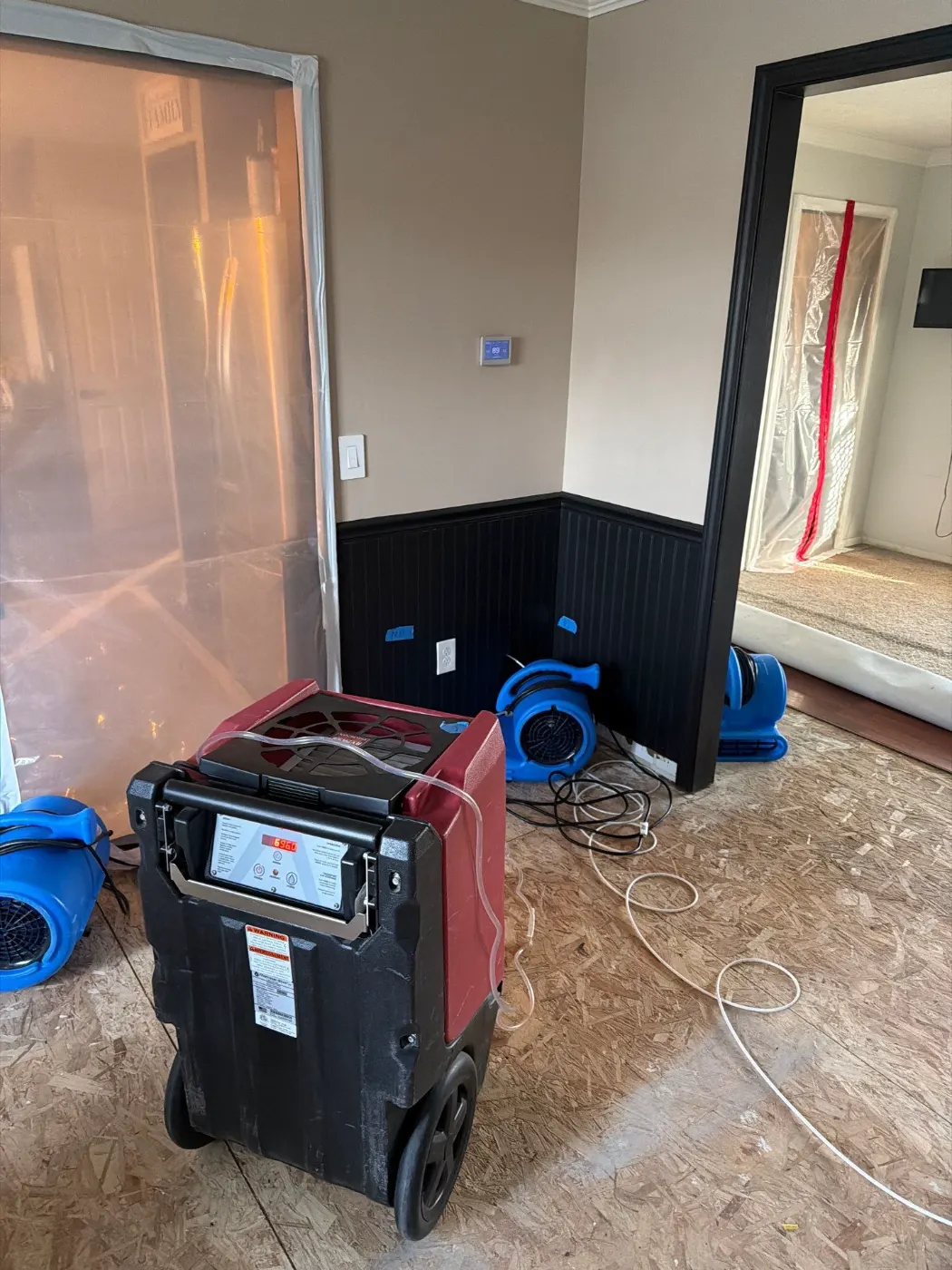
Your Village of West Clay building has to open tomorrow and there's standing water across half a floor plate. Shutting the whole tenant space down costs more than the water did, which is why the drying plan matters as much as the extraction. Village of West Clay Water Restoration works commercial losses in Village of West Clay, IN around an operating business, with containment that keeps the wet area separate from the part of the floor people are still using.
Village of West Clay Water Restoration inspects the temporary dry in after every rain while the interior equipment is up, because a drying area that keeps taking on water never reaches its target. When a permanent repair is in the works, interior closeout in your Village of West Clay building waits for it, and the daily log shows the date each piece of the work finished.
Controlled demolition on Village of West Clay Water Restoration commercial jobs means removing the materials that can't be dried in place. Saturated batt insulation and wet lay in tile come out, and gypsum gets cut at a clean line above the wet zone where the meters justify it. Each decision gets photographed and explained to the property manager before anybody opens a wall in your Village of West Clay building.
Many commercial property forms cover rain that gets inside only when wind or hail first damaged the roof or an exterior wall where the water entered. That makes the point of entry the first thing a reviewer looks at. Village of West Clay Water Restoration photographs the interior side of it at your Village of West Clay building and dates the images, and your broker can tell you how your own form reads.
Not sure where the water is coming from? Call Village of West Clay Water Restoration anyway. The crew can trace it through your Village of West Clay building with a thermal camera and a meter, and the first readings show how far it has traveled and which rooms need attention.
Signs You Need Commercial Storm Damage Restoration
If you notice any of these in your Village of West Clay building, schedule a free inspection before the issue worsens.
Cardboard cartons on the bottom pallet positions that have darkened and gone soft
Damp, darkened flooring in a band just inside the main entrance after a windy rain
Water standing in a elevator pit, or a pit pump that's been cycling longer than usual
Breakers tripping in a mechanical room or electrical room that sits under a roof penetration
A musty, earthy smell at a return air plenum or coming out of a corridor diffuser
Mechanical room floor drains that fill during heavy rain and empty slowly afterward
Silt or sediment left as a film on the receiving area floor once the water drains off
Wet or stained carpet along an interior column line with no plumbing fixture anywhere near it
Open seams, shrinkage at a membrane lap, or a corner of the roof lifting in wind
Window sills or curtain wall mullions holding water on the inside face after wind driven rain
How Village of West Clay Water Restoration Handles Commercial Storm Damage
We follow these steps in order on every Village of West Clay job.
Contents and Inventory Protection
Stock and equipment on wet floors get lifted onto blocking or moved to dry ground, with plastic over anything that has to stay. A photo list records what moved and where, which supports each tenant's own claim.
Structural Drying Setup
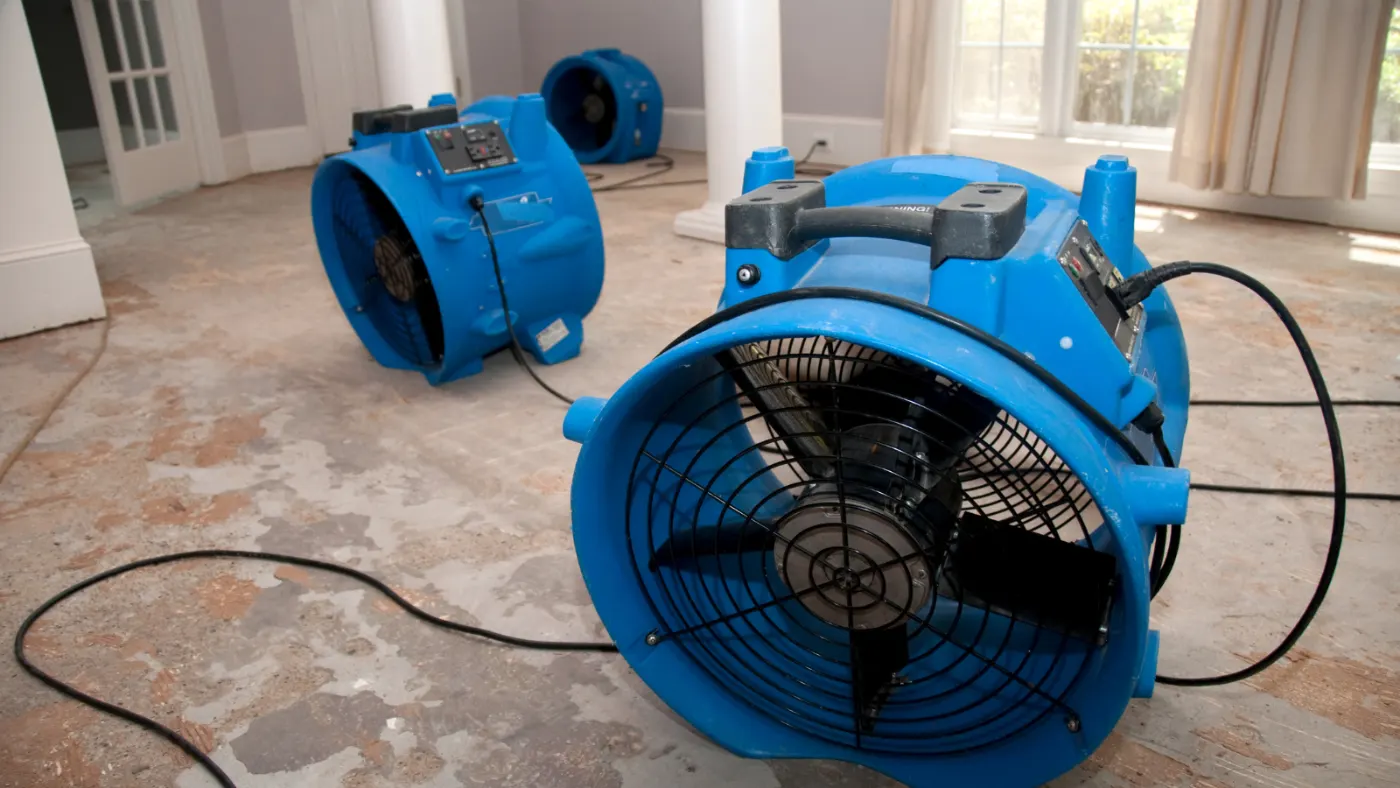
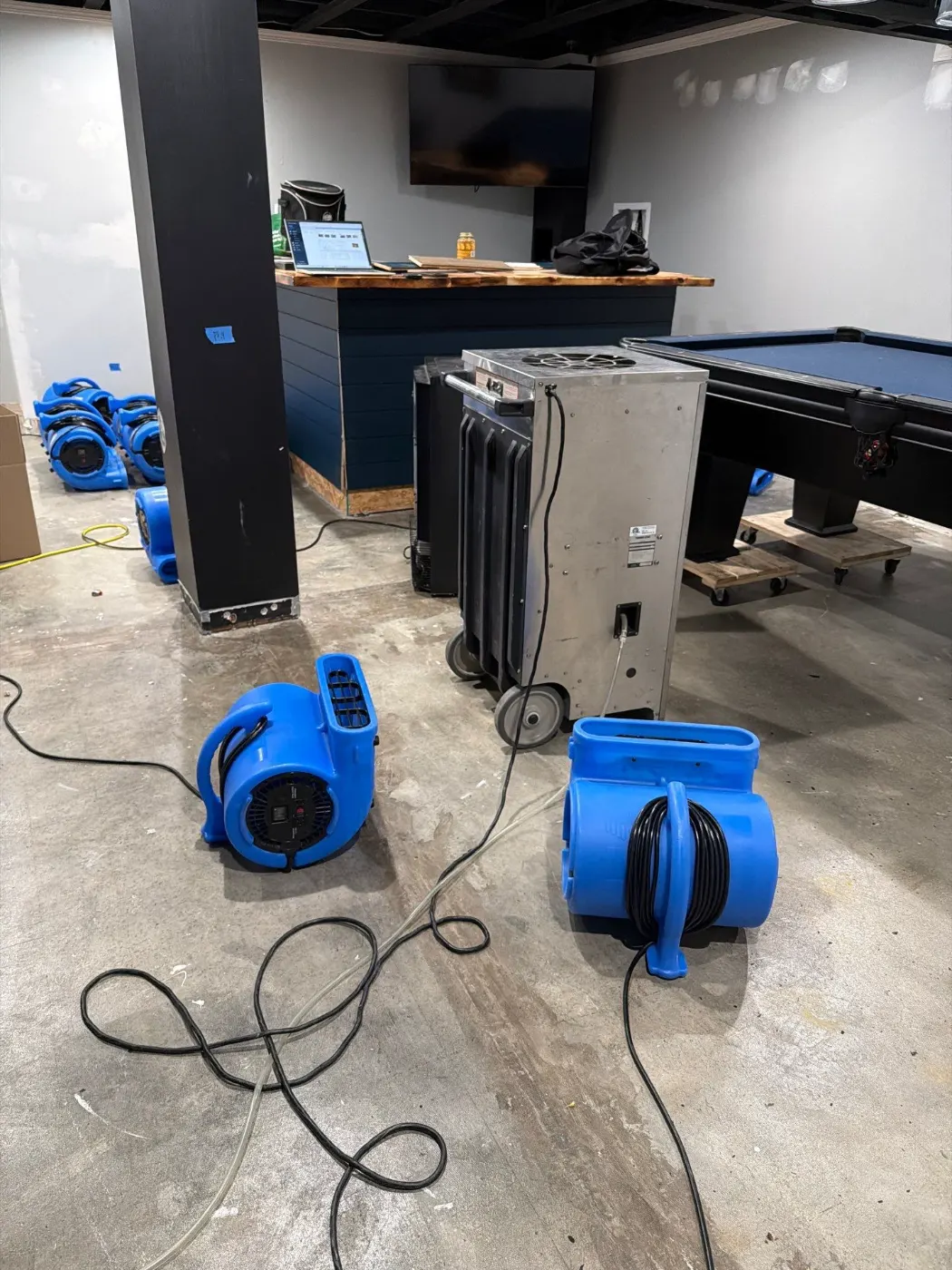
Dehumidification is sized to affected cubic footage, desiccant for open floor plates and refrigerant units for enclosed suites. Air movers go in at calculated angles. The crew checks available amperage and brings distribution or generator power when building panels can't carry the load.
Midpoint Scope Review
Partway through the job, the crew compares the readings with the projected equipment period and tells the property manager if the schedule or the scope has moved. Added removal is photographed and explained before the work starts.
Dry Standard Verified
Affected materials have to match the dry standard measured in an unaffected part of the same building before equipment comes out. Final readings, photos and equipment run hours go in the file, and a punch walk sets what's left to rebuild.
Ceiling and Finish Rebuild
Grid gets releveled, new lay in tile goes in, and insulation is replaced to the assembly's original value. Painted surfaces get primed and finished to a line that reads as original, and flooring goes back once slab readings allow it.
Commercial Storm Damage in Village of West Clay
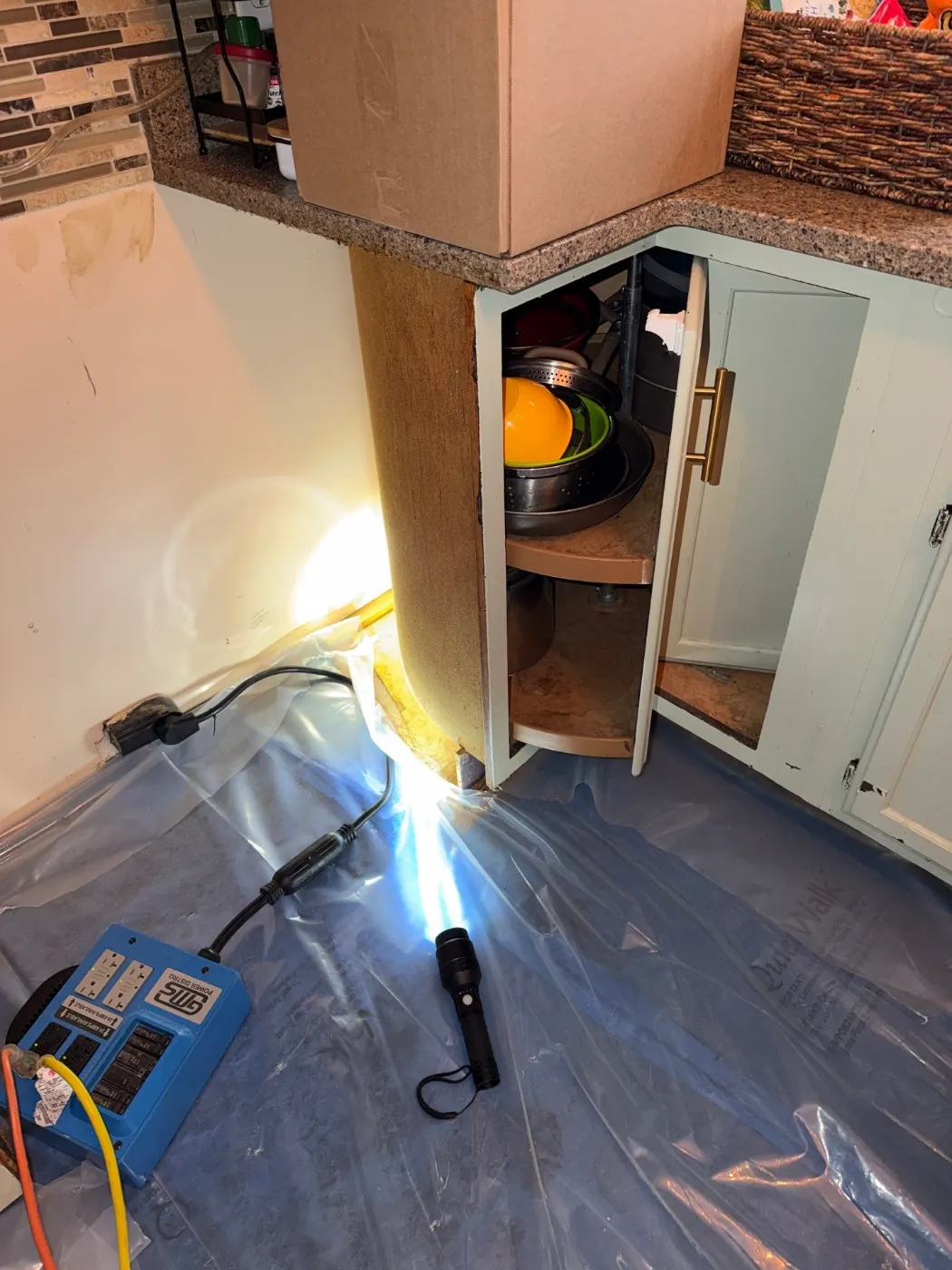
Photographs from real commercial storm damage jobs completed by our crew in Village of West Clay and surrounding areas.
Commercial Storm Damage FAQ
Questions Village of West Clay property managers ask us about commercial storm damage restoration.
Guidance and Standards for Commercial Storm Damage
- The National Weather Service office in Indianapolis posts summaries of recent central Indiana storm and flood events. NWS Indianapolis Event Summaries
- The ANSI/IICRC S500 is the published standard for professional water damage restoration. The current edition is the Fifth Edition, 2021. IICRC S500 Standard
Village of West Clay Neighborhoods We Serve
We take commercial storm damage calls in every part of Village of West Clay. Pick your neighborhood for local details.
Other Restoration Services in Village of West Clay
Village of West Clay Water Restoration handles the full scope of restoration work. Explore our other services below.
Water Damage Restoration in Village of West Clay
24/7 emergency response. IICRC certified water restoration from extraction to full dry out.
Learn more →Basement Flooding in Village of West Clay
Basement water emergencies handled fast. Extraction, drying, mold prevention.
Learn more →Sewage Cleanup in Village of West Clay
Category 3 biohazard cleanup. Full containment, decontamination, structural restoration.
Learn more →Request Commercial Storm Damage Restoration
Reach Us Directly
Our team is available 24/7 for emergencies and ready to schedule inspections during business hours.
Need Immediate Help?
For active water or mold emergencies, call us directly. We are available 24/7.