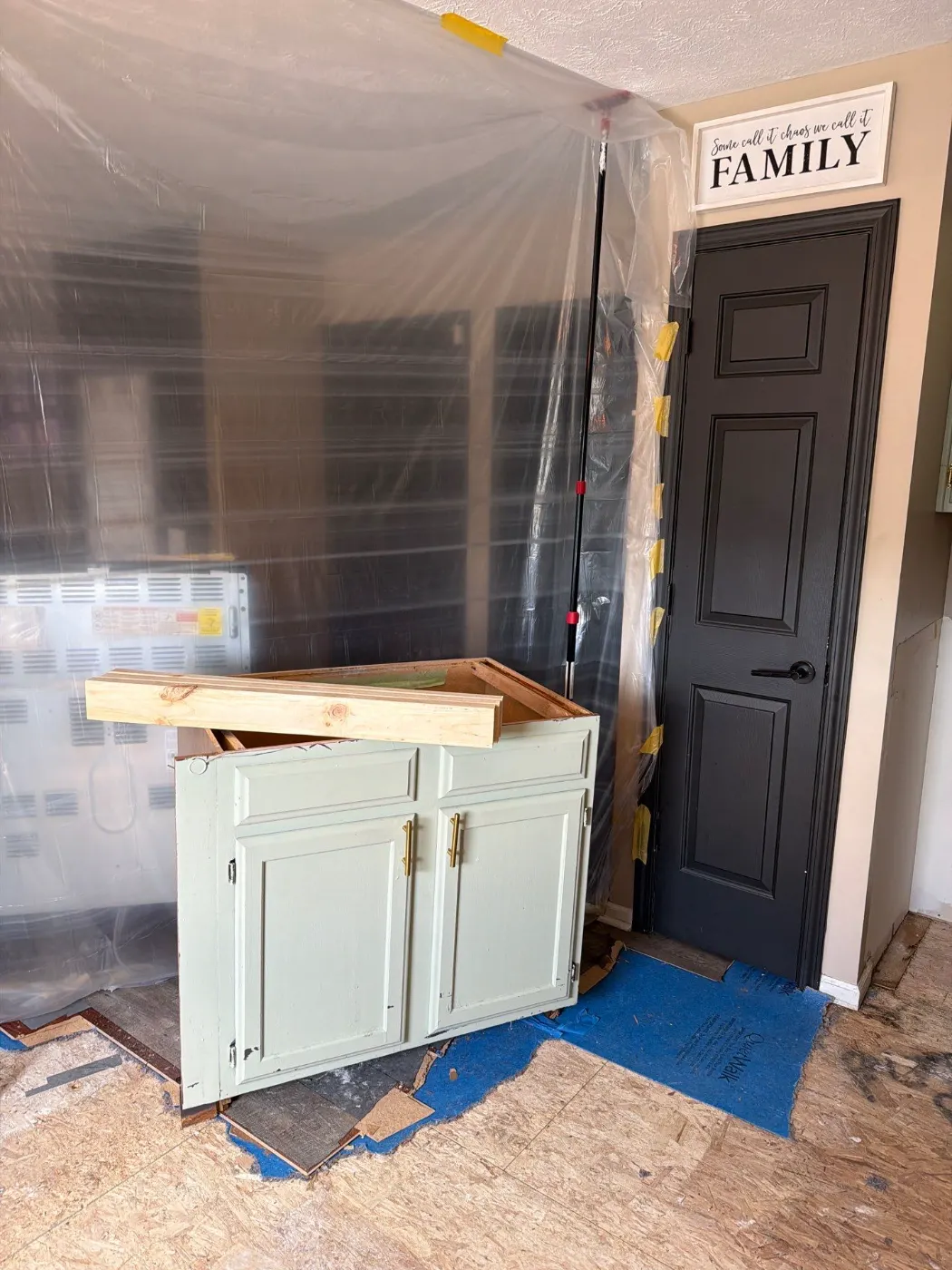
Commercial Sewage Cleanup in Village of West Clay, IN
From extraction to clearance verification, Village of West Clay Water Restoration works Village of West Clay commercial sewage losses to IICRC S500 and S520.
Village of West Clay Water Restoration provides professional Commercial Sewage Cleanup in Village of West Clay: emergency availability every day of the year, certified crews, and coordination with your insurance carrier on approved claims. Call (765) 676-3491.
- Service: Commercial Sewage Cleanup for Village of West Clay homeowners
- Service area: Village of West Clay, IN and surrounding areas
- Response time: Emergency calls from Village of West Clay dispatched immediately, day or night
- Licensed and insured (License #RC21100059)
- Serving Village of West Clay, IN since 2018
Commercial Sewage Cleanup for Village of West Clay Businesses
Basement storage rooms collect boxed inventory and records that sit right on the slab, and a sewage backup reaches all of it. Village of West Clay Water Restoration works below grade losses in Village of West Clay with a contents list in mind. Each item gets photographed where it sits and sorted into what can be cleaned and what can't, and that list goes into your file before anything leaves the room.
Odor that keeps coming back means contamination is still in the building, so Village of West Clay Water Restoration treats the source before anything gets deodorized. The crew finds the material that's still wet or soiled, removes or cleans it and runs HEPA filtration until the space reads clean. The final odor check in your Village of West Clay building happens in the sealed space with the scrubbers off.
Extraction on a sewage loss uses pumps rated for solids, which a standard carpet extractor isn't. Village of West Clay Water Restoration crews pull the standing waste first, then take out saturated porous material in bagged loads through a controlled exit. Hard floors get scraped and squeegeed before cleaning. Only once the gross contamination is gone and the surfaces are cleanable does drying equipment go into the space.
Property managers can help a claim by keeping a log of tenant reports that records when each tenant noticed an odor or water and what you told them in reply. That log fills in the time before the crew's first visit to your Village of West Clay property. Village of West Clay Water Restoration starts its own record at the walkthrough, and the two logs together give a continuous timeline.
Standing in the affected space right now? Call (765) 676-3491 with the address and the suite number handy, and tell the dispatcher whether the flow has stopped. Village of West Clay Water Restoration asks who can approve the work and who gets the documentation, so the Village of West Clay file starts with the right names.
Signs You Need Commercial Sewage Cleanup
If you notice any of these in your Village of West Clay building, schedule a free inspection before the issue worsens.
Slick film on the floor around a drain that was dry the day before
Sewage pump running constantly without lowering the level in its pit
Trench drain channels running full and spilling across a kitchen floor during service
Several tenants on a shared line reporting slow drains on the same morning
A backflow preventer weeping or discharging onto the floor around its base
Paint blistering at the base of a wall beside a restroom, along with odor
Water flowing from under a janitorial closet door into the corridor overnight
Water on a slab along the wall where the building's sewer line runs out to the street
Standing water in a restroom floor drain that stays put after every fixture stops running
Floor drains gurgling whenever a mop sink, a dishwasher, or a restroom fixture runs upstairs
How Village of West Clay Water Restoration Handles Commercial Sewage Cleanup
We follow these steps in order on every Village of West Clay job.
Containment and Access Control
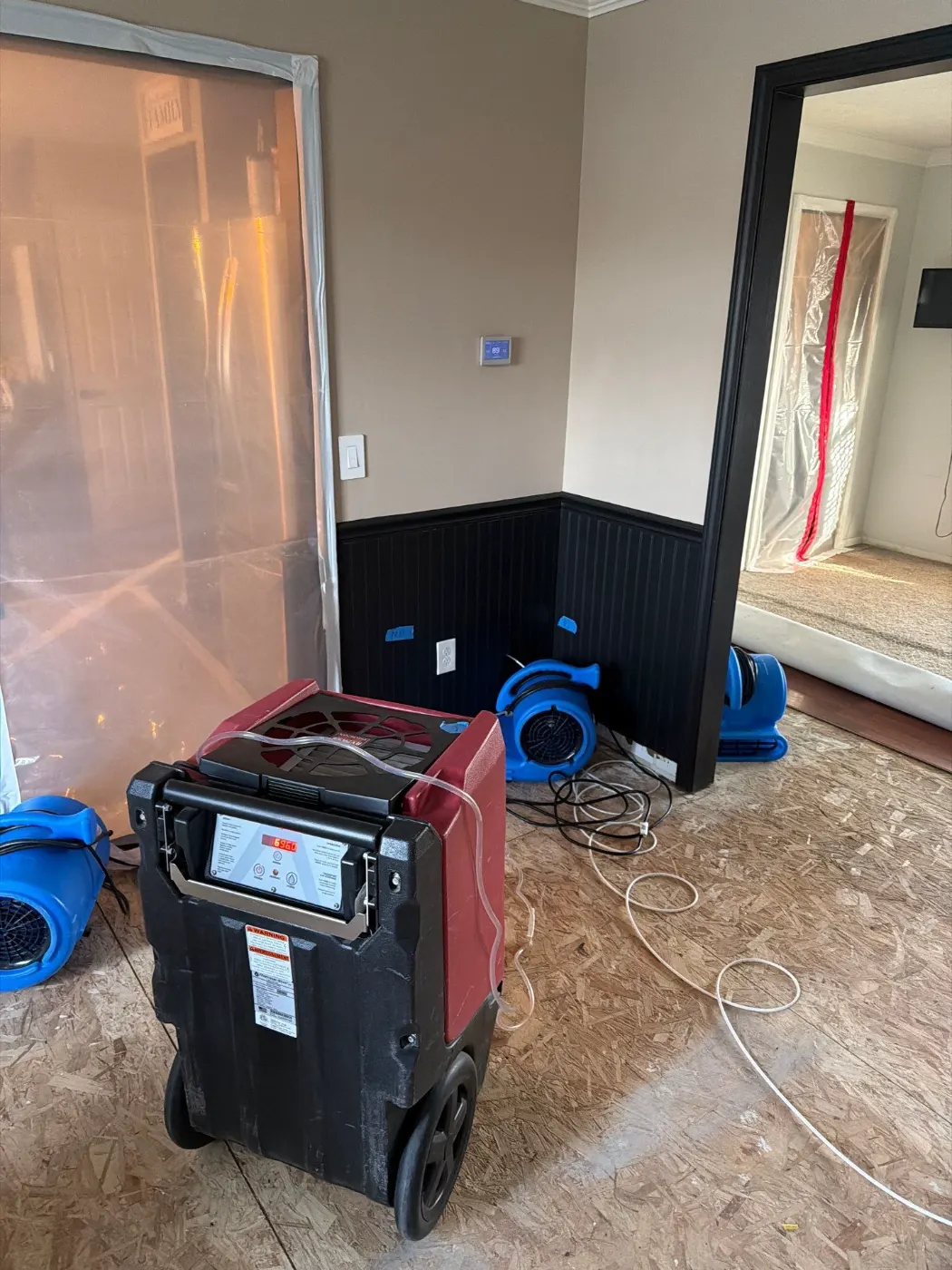
Crews build 6 mil poly barriers with zipper entries around the affected area, seal the HVAC openings serving it, and put the zone under negative pressure with HEPA air scrubbers. Entry is limited to crew in PPE for the rest of the job.
Protective Gear and Decon Setup
Crew members put on suits, respirators, gloves and boot covers at the clean edge of the zone, and a decontamination station is set up at the exit. Everything worn inside gets bagged or washed there before anyone crosses back.
Surface Cleaning
Every reachable surface gets a detergent wash with agitation to pull the soil load off it, because an antimicrobial over residue doesn't reach what sits underneath. Floor sinks, trench drain channels, grout lines, and stainless bases get cleaned by hand.
Independent Testing Coordination
When your carrier or health authority asks for third party testing, the office team schedules an independent hygienist and shares the crew's readings and photographs. The hygienist's report goes to the people who requested it.
Repeat Prevention Review
After the space is released, the lead reviews the plumbing path with your maintenance staff and notes cleanout access and the interceptor service schedule. Those notes, with the location of any backwater valve, go to your plumber to review for line maintenance.
Commercial Sewage Cleanup in Village of West Clay
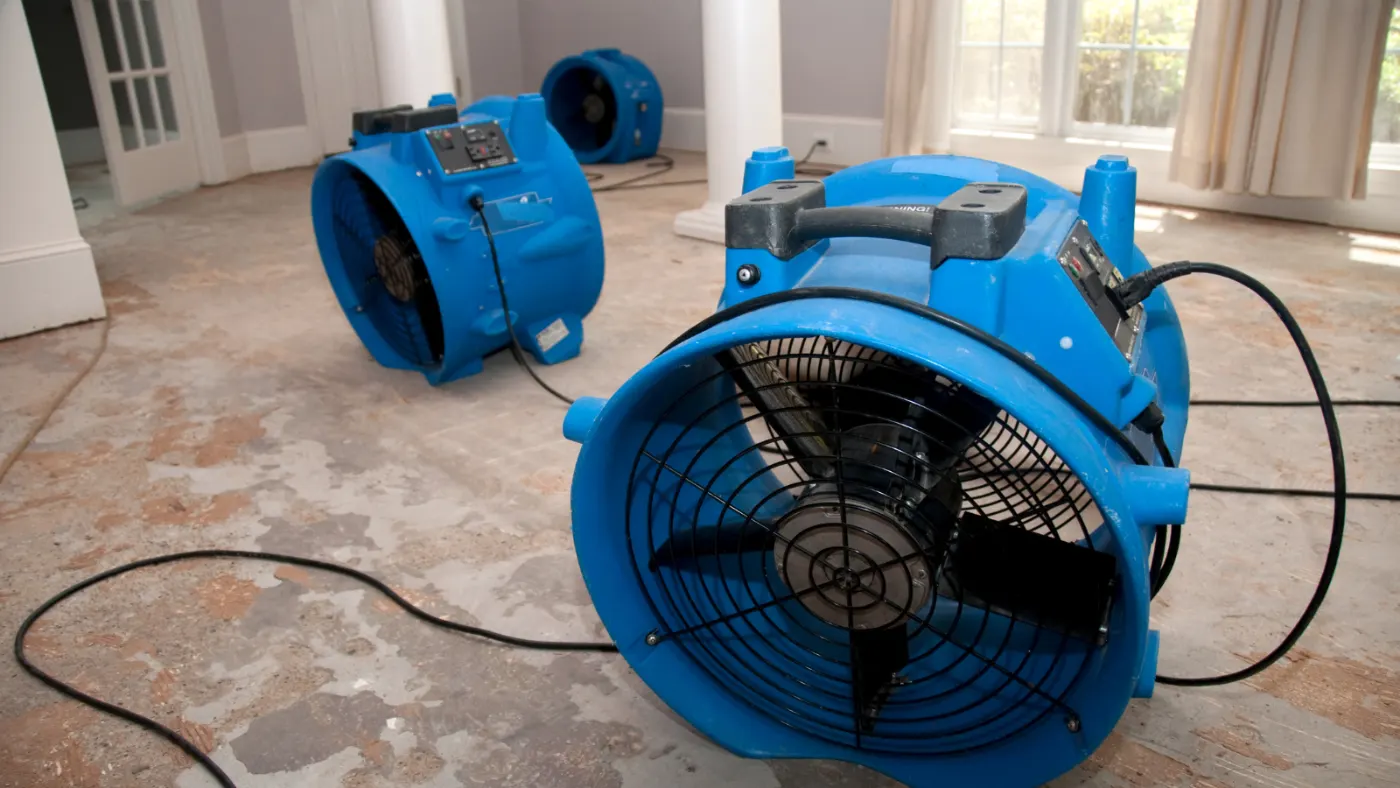
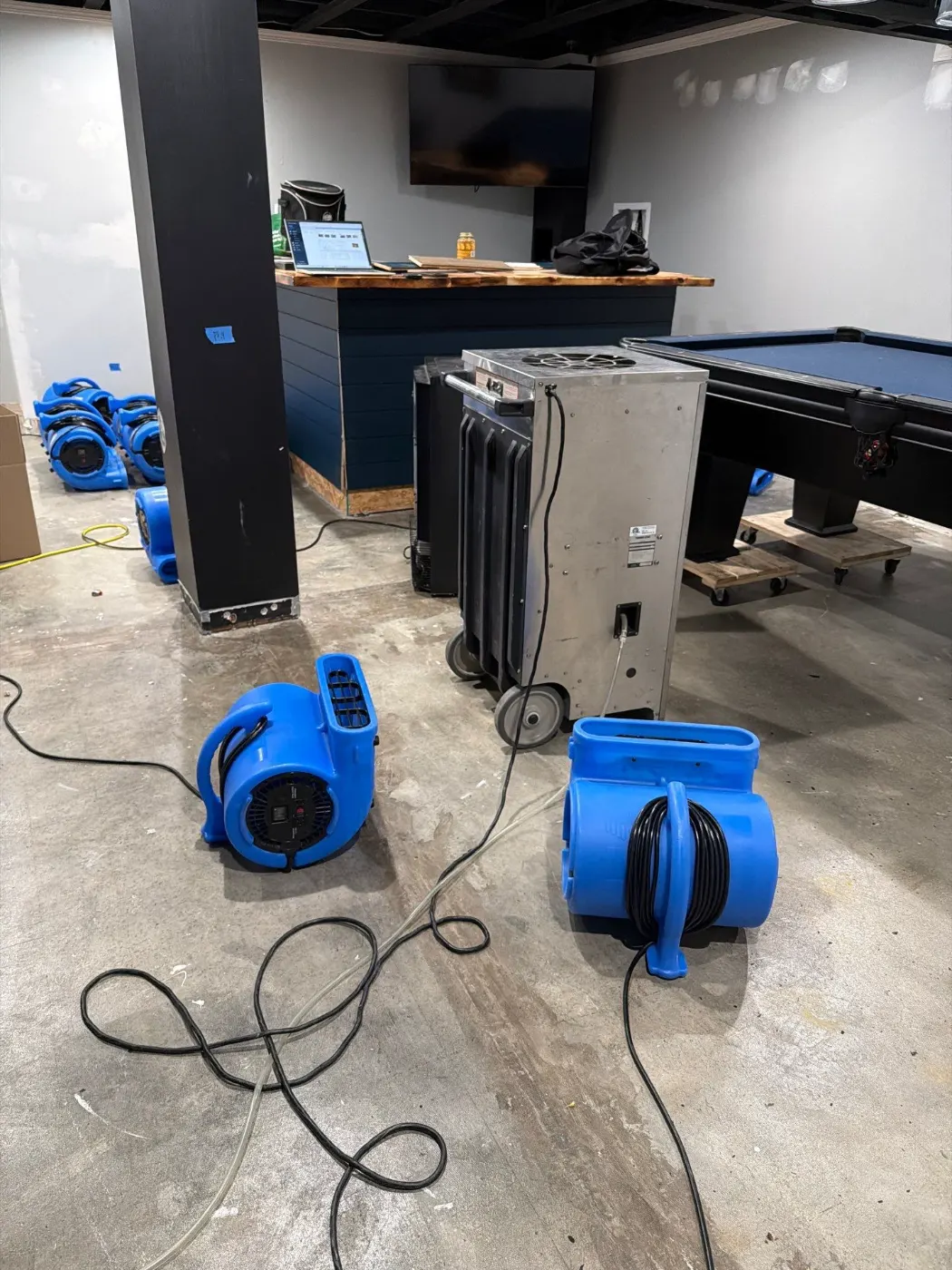
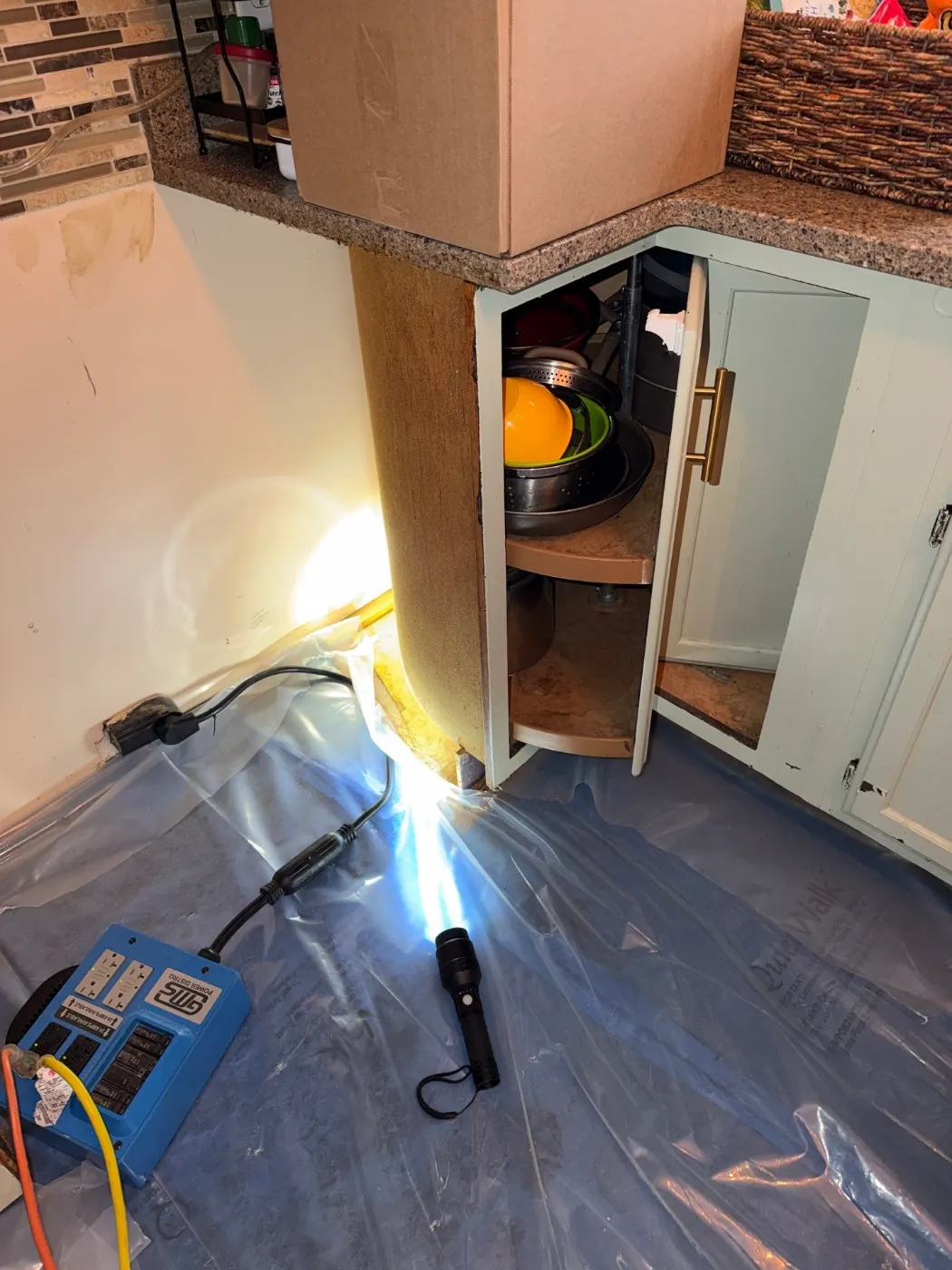
Photographs from real commercial sewage cleanup jobs completed by our crew in Village of West Clay and surrounding areas.
Commercial Sewage Cleanup FAQ
Questions Village of West Clay property managers ask us about commercial sewage cleanup.
Guidance and Standards for Commercial Sewage Cleanup
- The ANSI/IICRC S500 is the published standard for professional water damage restoration. The current edition is the Fifth Edition, 2021. IICRC S500 Standard
Village of West Clay Neighborhoods We Serve
We take commercial sewage cleanup calls in every part of Village of West Clay. Pick your neighborhood for local details.
Other Restoration Services in Village of West Clay
Village of West Clay Water Restoration handles the full scope of restoration work. Explore our other services below.
Water Damage Restoration in Village of West Clay
24/7 emergency response. IICRC certified water restoration from extraction to full dry out.
Learn more →Basement Flooding in Village of West Clay
Basement water emergencies handled fast. Extraction, drying, mold prevention.
Learn more →Sewage Cleanup in Village of West Clay
Category 3 biohazard cleanup. Full containment, decontamination, structural restoration.
Learn more →Request Commercial Sewage Cleanup
Reach Us Directly
Our team is available 24/7 for emergencies and ready to schedule inspections during business hours.
Need Immediate Help?
For active water or mold emergencies, call us directly. We are available 24/7.