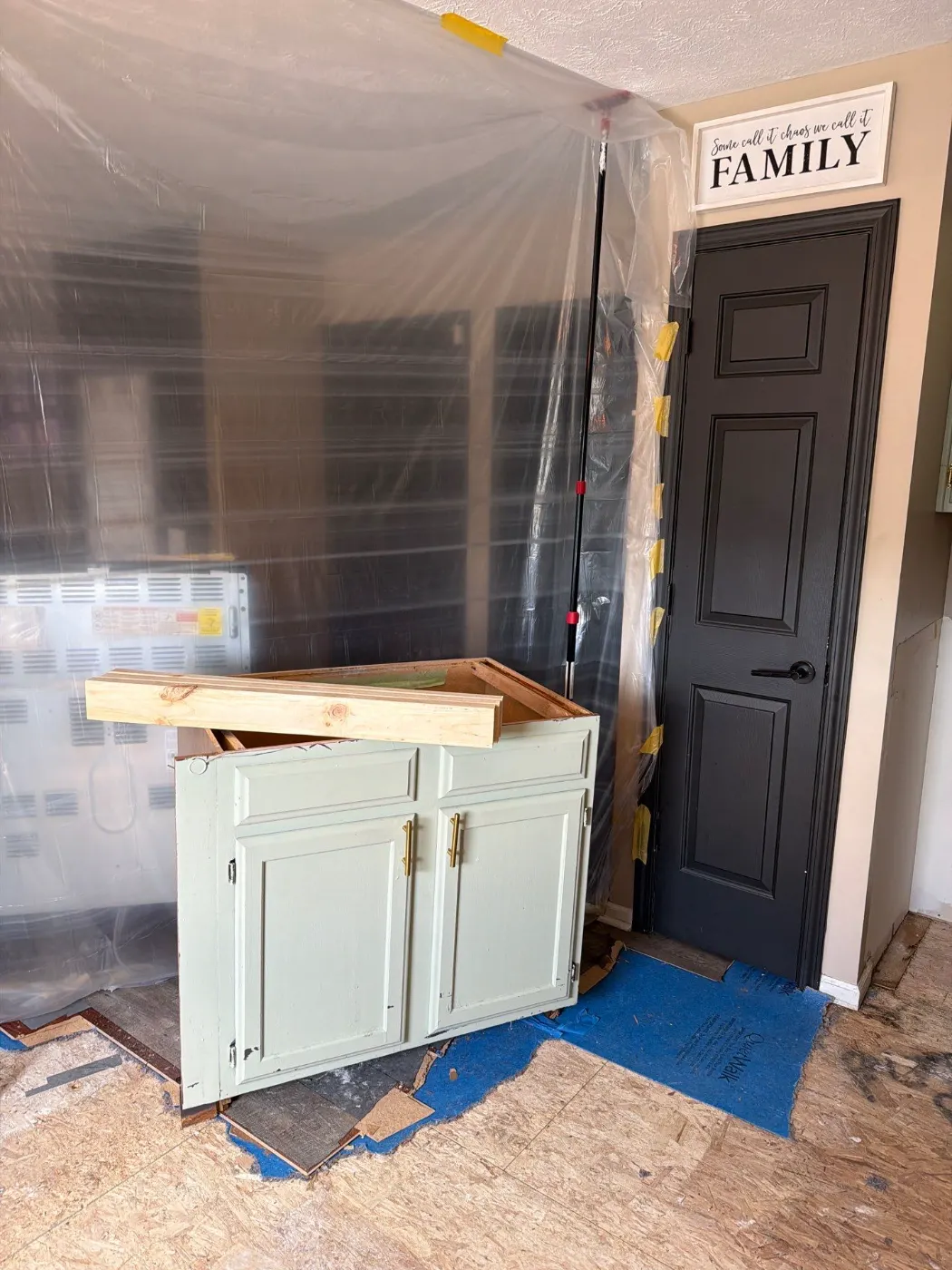
Commercial Water Restoration in Village of West Clay, IN
From the lift pit to the ceiling plenum, Village of West Clay commercial water losses dried to documented readings.
Village of West Clay Water Restoration provides professional Commercial Water Restoration in Village of West Clay: emergency availability every day of the year, certified crews, and coordination with your insurance carrier on approved claims. Call (765) 676-3491.
- Service: Commercial Water Restoration for Village of West Clay homeowners
- Service area: Village of West Clay, IN and surrounding areas
- Response time: Around the clock dispatch; Village of West Clay emergencies move to the front of the line
- Licensed and insured (License #RC21100059)
- Serving Village of West Clay, IN since 2018
Commercial Water Damage Restoration in Village of West Clay
We extract water and dry commercial buildings across Village of West Clay, and we're available around the clock.
Site Conditions
Parts of Village of West Clay sit near regulated floodplain. Freeze and thaw cycles each winter can burst pipes in unheated parts of a commercial building. Your building's own drains and roof get checked on the first walkthrough with whoever manages the property.
We cover commercial properties across Village of West Clay, including the area around University Green and the Joyce Winner West Branch Library. We also handle commercial water losses in Cheswick Place, Westfield, West Carmel and Zionsville.
Commercial Water Restoration for Village of West Clay Businesses
One fire sprinkler head discharged and it put far more water on the floor than most people expect, because the line keeps flowing until somebody closes the control valve. Now water sits in the ceiling plenum, has reached two floor levels, and stands in the corridor. Village of West Clay Water Restoration dispatches to commercial water losses in Village of West Clay within 2 hours with pumps, extraction units and the documentation process your carrier is going to ask for.
Walls with vinyl wallcovering hold moisture in the gypsum behind them, so the covering comes off in sections where readings show water. Cove base gets pulled in the same places and small relief holes let dry air move through the cavity. Village of West Clay Water Restoration photographs each opening and logs it, which makes the repair scope straightforward to price.
The job ends on numbers. Every material that was wet gets read again and compared against dry standard readings taken from the same materials in an unaffected part of your building. Equipment comes off the floor after those readings are documented, and containment comes down after that. Village of West Clay Water Restoration gives you the final readings in the same file as the first day's map, so the whole drying curve stays visible.
Commercial adjusters want a file they can price. Village of West Clay Water Restoration builds one from the first hour: photographs by area, moisture readings logged daily by location and material, the water category with the reasoning behind it, an equipment list with hours, and scope itemized by suite. You or your broker submit it and make the coverage decisions with your carrier. The documentation exists so nobody has to take anybody's word for what was wet.
Have the address and the suite number in front of you when you phone Village of West Clay Water Restoration about water in your Village of West Clay building. Expect questions about where the water is entering and who holds the keys, and the walkthrough then gets set up around your answers, with your building engineer in the loop from the start.
Signs You Need Commercial Water Restoration
If you notice any of these in your Village of West Clay building, schedule a free inspection before the issue worsens.
Hot water heating pipe leaking inside a classroom unit ventilator cabinet
The boiler or water heater room floor wet with no source anybody can point to
Baseboards swelling at the bottom of a wall in an office suite
A pipe split in an unheated vestibule or loading dock after a cold snap
A damp ring spreading across a suspended ceiling tile directly below a plumbing riser
Water heater tank leaking onto a utility room floor and running under the door
Water bills for the property climbing with no change in occupancy or use
Brown stains forming on ceiling tiles beneath a roof drain location after a storm
Classroom floor tile feeling soft or lifting along an exterior wall after heavy rain
Sewage backing up at a floor drain in a restroom, kitchen or loading area
How Village of West Clay Water Restoration Handles Commercial Water Restoration
We follow these steps in order on every Village of West Clay job.
Power and Panel Check
Before equipment goes in, your electrician deenergizes circuits that serve wet areas, and the crew checks outlets and floor boxes for moisture. Drying equipment then runs on protected circuits with the load spread across panels.
Contents and Furniture Protection
Furniture and fixtures get labeled by room and photographed in place, then blocked up or moved to dry staging in the order the zones open. The inventory travels with the job file alongside the readings.
Selective Removal
Material comes out of your Village of West Clay building where the meters and the water category support it, and stays where it can dry in place. Each cut is photographed and logged by location, and the list is reviewed with you in writing.
Claim Documentation Package
Photographs by area, daily moisture logs, equipment placement and hour records, category justification, and scope itemized by suite all go into one file. You and your broker submit it and make coverage decisions with your carrier.
Reconstruction and Reoccupancy
Flooring, gypsum board, ceiling tile, grid, millwork and paint go back once the readings clear. Slabs get verified with in situ probes before new glue down flooring covers them, and the space gets walked with you before handover.
Commercial Water Restoration in Village of West Clay
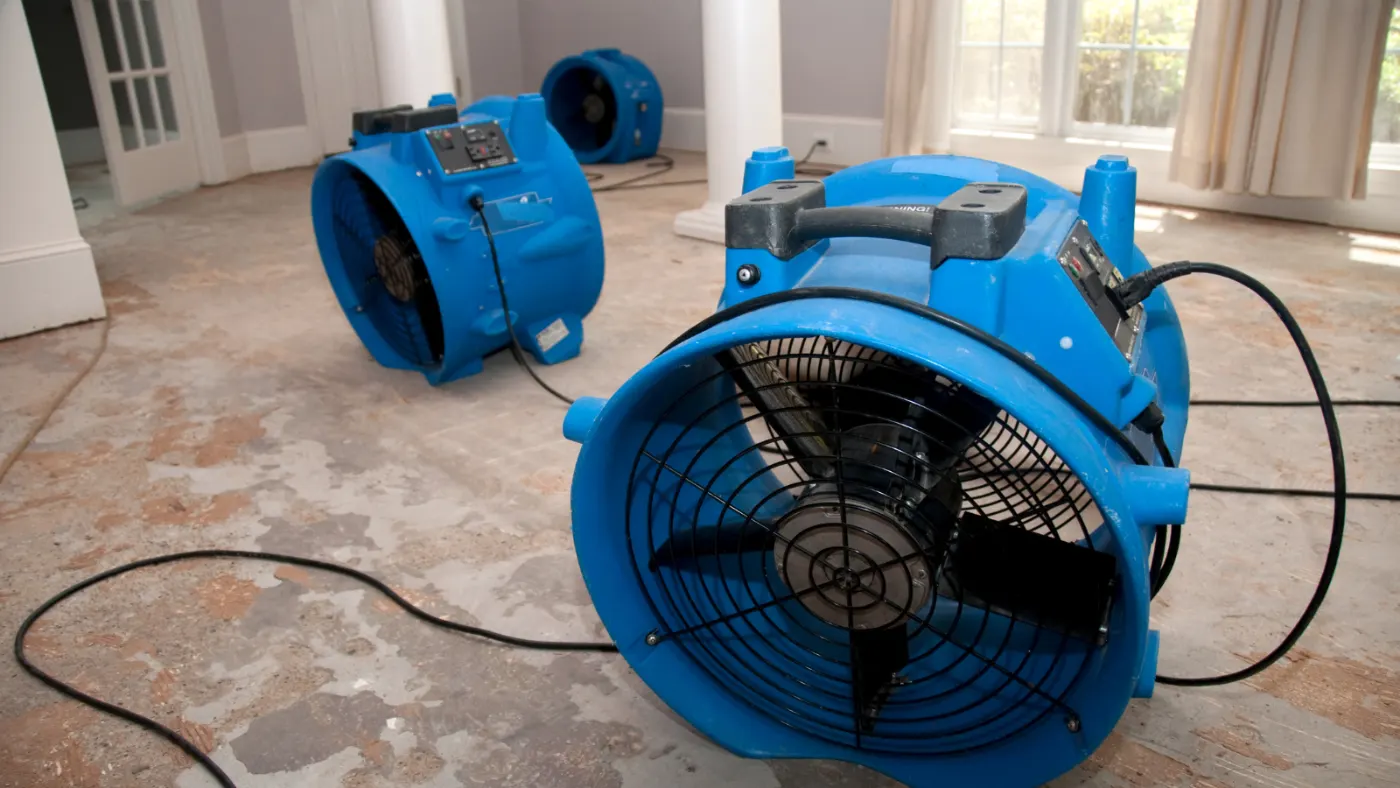
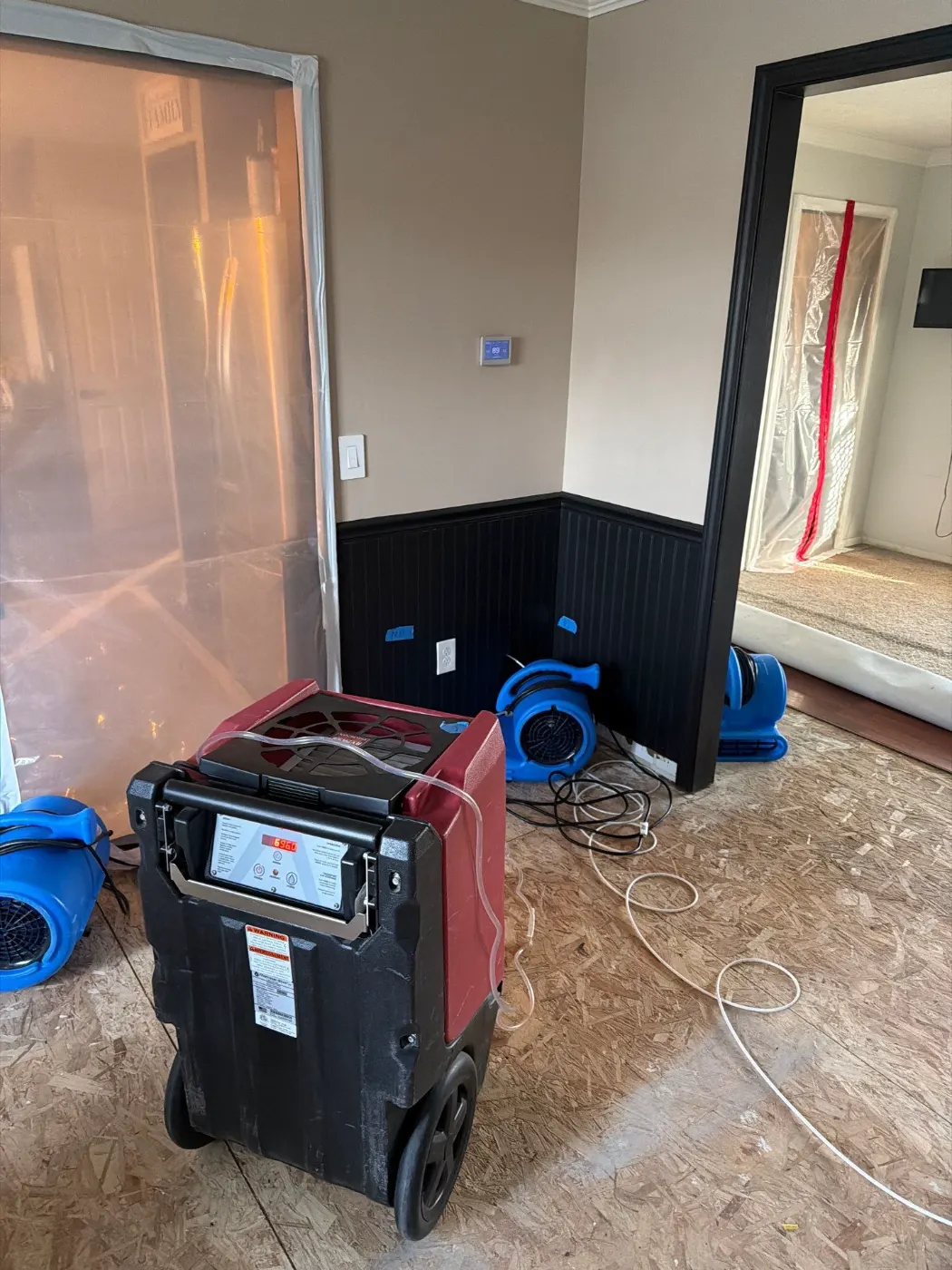
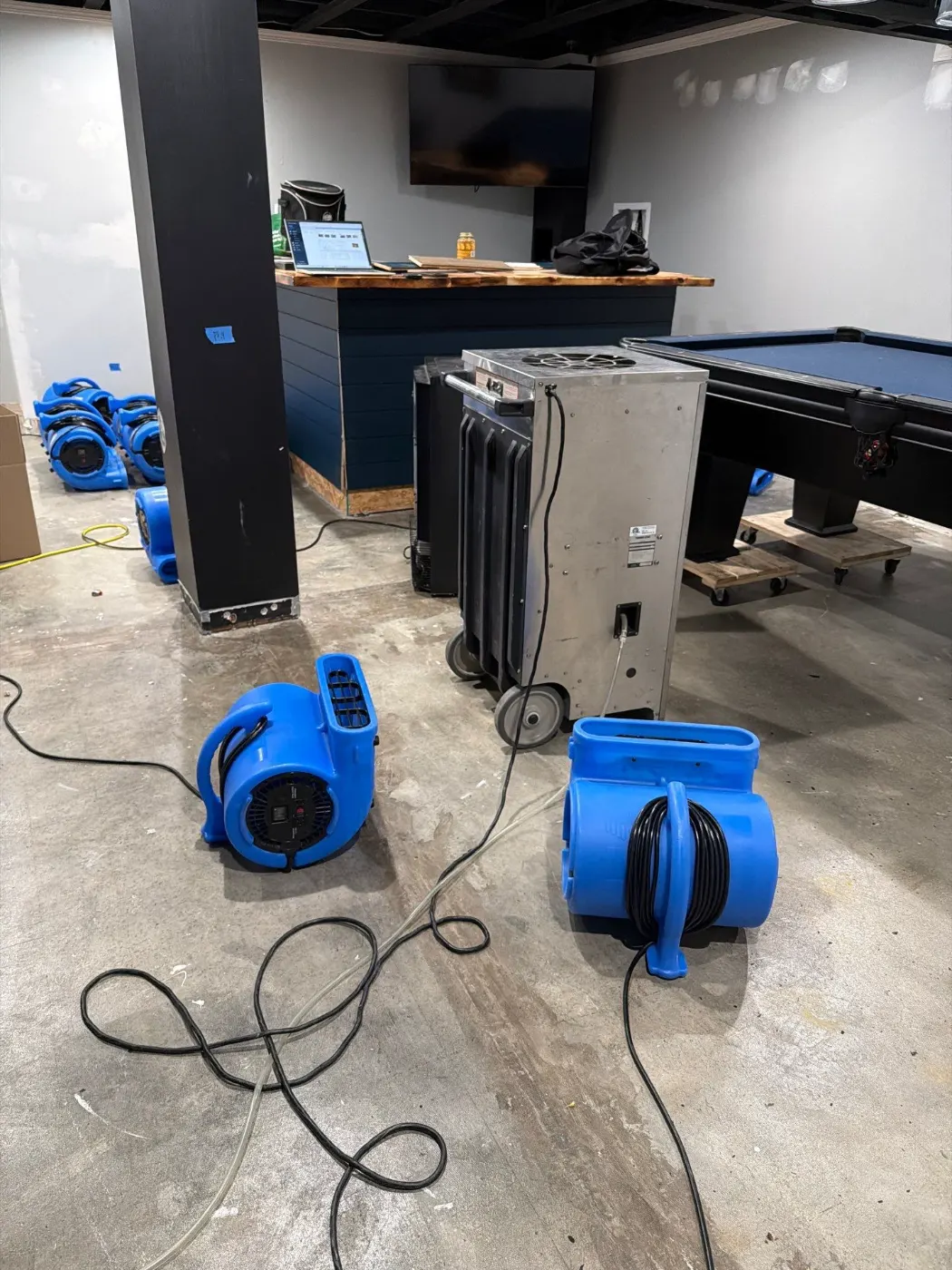
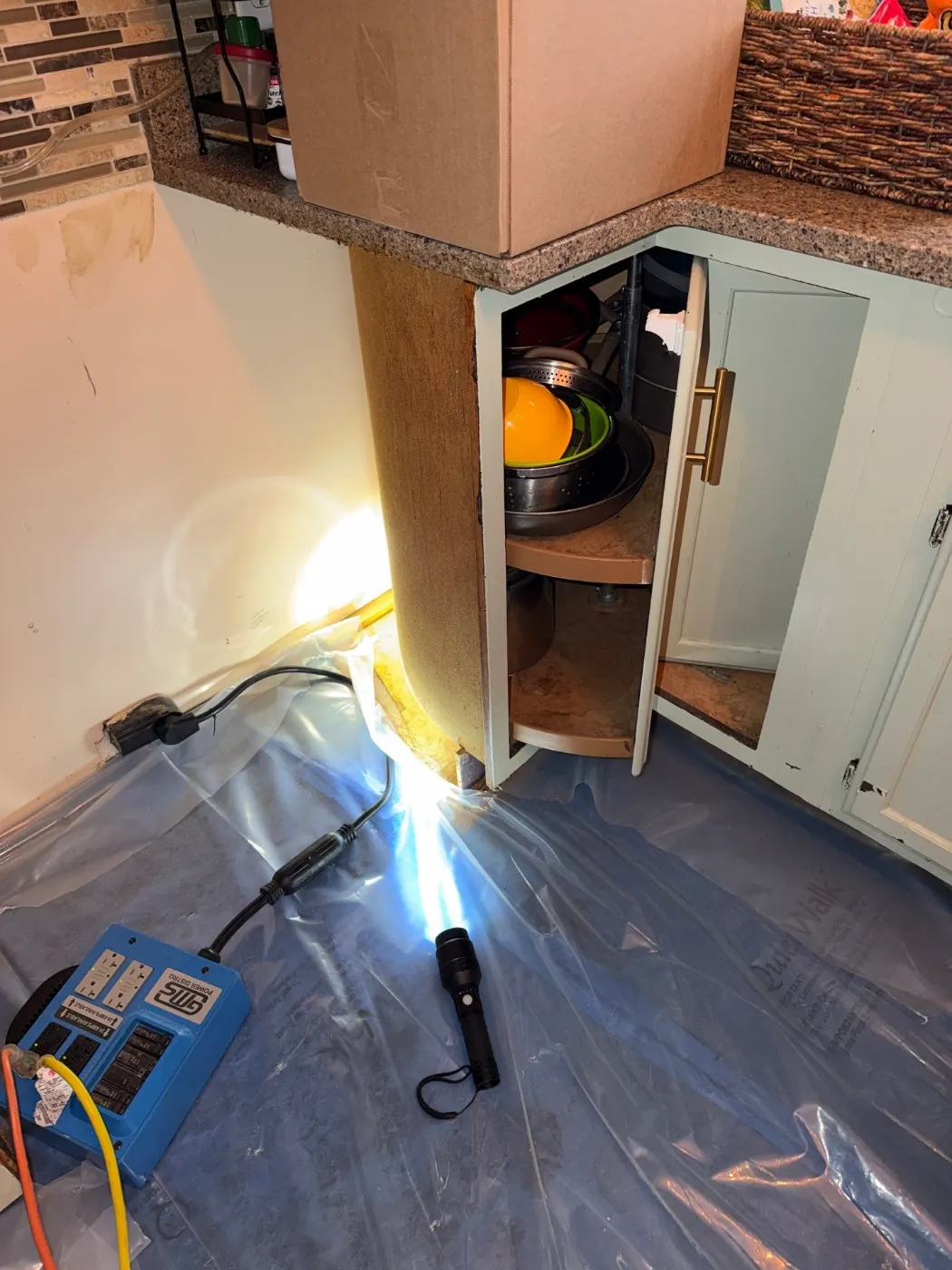
Photographs from real commercial water restoration jobs completed by our crew in Village of West Clay and surrounding areas.
Commercial Water Restoration FAQ
Questions Village of West Clay property managers ask us about commercial water restoration.
Guidance and Standards for Commercial Water Restoration
- The ANSI/IICRC S500 is the published standard for professional water damage restoration. The current edition is the Fifth Edition, 2021. IICRC S500 Standard
- EPA advises drying water damaged areas and items within 24 to 48 hours to prevent mold growth. EPA: A Brief Guide to Mold, Moisture and Your Home
Village of West Clay Neighborhoods We Serve
We take commercial water restoration calls in every part of Village of West Clay. Pick your neighborhood for local details.
Other Restoration Services in Village of West Clay
Village of West Clay Water Restoration handles the full scope of restoration work. Explore our other services below.
Water Damage Restoration in Village of West Clay
24/7 emergency response. IICRC certified water restoration from extraction to full dry out.
Learn more →Basement Flooding in Village of West Clay
Basement water emergencies handled fast. Extraction, drying, mold prevention.
Learn more →Sewage Cleanup in Village of West Clay
Category 3 biohazard cleanup. Full containment, decontamination, structural restoration.
Learn more →Request Commercial Water Restoration
Reach Us Directly
Our team is available 24/7 for emergencies and ready to schedule inspections during business hours.
Need Immediate Help?
For active water or mold emergencies, call us directly. We are available 24/7.